Nestled at the base of the iconic Cajon Pass, where the San Gabriel and San Bernardino mountain ranges converge, Glen Helen Regional Park has long served as a vital recreational sanctuary and historical milestone for Southern California travelers. As San Bernardino County continues to experience rapid growth, local leaders and state lawmakers have initiated a groundbreaking transformation that marks a new chapter in the park’s storied legacy. Driven by the recent passage and implementation of California Assembly Bill 385 (AB 385), a historic land swap and multi-use expansion project is now underway at Glen Helen—promising to enhance public parkland access, modernize infrastructure, and safeguard the natural heritage of the Cajon Pass corridor for generations to come.
For decades, visitors know Glen Helen for its expansive lakes, shaded picnic groves, and proximity to the legendary Route 66 highway corridor. However, decades-old statutory grant restrictions on specific parcels within the park previously hindered comprehensive long-term planning and modern facility development. By authorizing a strategic land exchange with the state, San Bernardino County is turning an isolated, terrain-blocked 4.2-acre parcel into a catalyst for regional parkland enhancement, community investment, and expanded outdoor recreation.
Understanding AB 385: Unlocking the Future of Glen Helen
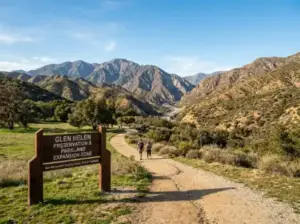 At the center of Glen Helen’s revitalization is Assembly Bill 385, a legislative action designed specifically to resolve historical land-use constraints. When public parklands are acquired or maintained through state grant funding, strict covenants usually limit how those properties can be modified or repurposed. In the case of Glen Helen Regional Park, a 4.2-acre section of land remained virtually inaccessible to the public due to steep topography and natural terrain barriers, leaving it underutilized for community recreation.
Through AB 385, the California Legislature granted San Bernardino County the legal authority to convey this isolated parcel in exchange for replacement land of equal or greater fair market value and recreational utility. This legislative mechanism ensures that the total public parkland footprint is not only preserved, but significantly upgraded in terms of usability and public access.
- Acquisition of High-Value Replacement Parkland: The county is replacing inaccessible hillside terrain with contiguous, easily accessible land adjacent to existing park facilities.
- Unlocking Sustainable Economic Revenue: The land exchange enables planned commercial and mixed-use development on non-recreational portions, generating dedicated, long-term revenue streams specifically allocated to county park maintenance and conservation.
- Strengthening Community Partnership: The initiative reflects collaboration between local county supervisors, state legislators, regional conservationists, and surrounding municipal stakeholders.
A Historic Gateway: The Cultural and Geographic Significance of Cajon Pass
To fully appreciate the importance of the Glen Helen expansion, one must understand the unique geographical and historical setting of the park. Situated near the mouth of the Cajon Pass, Glen Helen sits along one of the most historically significant transportation corridors in Western American history.
For centuries before European settlement, Indigenous tribes—including the Serrano and Cahuilla peoples—utilized the natural mountain pass as a primary trade and migration route connecting the coastal plains of Southern California to the vast Mojave Desert. Later, in the 19th and early 20th centuries, the pass became the gateway for Mormon pioneers, the Santa Fe Railway, and eventually the world-famous U.S. Route 66.
By expanding and upgrading Glen Helen Regional Park, San Bernardino County is actively preserving a natural greenway within this bustling transportation artery. The expansion ensures that as highway logistics and urban development expand through the Cajon Pass, residents and travelers retain an accessible oasis to experience the natural beauty, native flora, and unique geology of the foothill region.
Key Pillars of the Expansion and Modernization Plan
The AB 385 land exchange is part of a broader, multi-phase master plan for Glen Helen Regional Park supported by local funding and substantial federal infrastructure grants. The planned improvements focus on elevating the visitor experience across several key areas:
| Project Area | Key Enhancements & Features | Community & Environmental Benefit |
|---|---|---|
| Expanded Parkland & Trails | New multi-use hiking and equestrian trails connecting to regional trail networks. | Encourages active outdoor recreation and improves connectivity across the Cajon Pass foothill system. |
| Infrastructure & Accessibility | ADA-compliant walkways, updated shade structures, modernized restrooms, and renovated parking facilities. | Ensures inclusive, comfortable access for families, seniors, and individuals with mobility challenges. |
| Lake & Waterway Enhancements | Riparian habitat restoration around existing fishing lakes, improved water circulation, and upgraded docks. | Protects local aquatic ecology while enhancing recreational fishing and non-motorized boating experiences. |
| Historical & Educational Signage | Interactive interpretive displays documenting Indigenous heritage, Route 66 history, and local geology. | Fosters cultural appreciation and environmental literacy among student groups and regional visitors. |
Promoting Equitable Access to Outdoor Recreation
A driving priority behind the Glen Helen Regional Park expansion is expanding outdoor equity across the Inland Empire. San Bernardino County encompasses diverse urban, suburban, and rural communities, several of which have historically faced limited access to expansive, well-maintained parks and natural reserves.
Located near the urban centers of San Bernardino, Rialto, and Fontana, Glen Helen serves as an essential “backyard” park for hundreds of thousands of local residents. The addition of modernized amenities, improved family picnic areas, and accessible trailheads ensures that low-income and underserved youth and families have direct, affordable opportunities to engage in outdoor activities, physical fitness, and nature education.
Environmental Stewardship and Habitat Protection
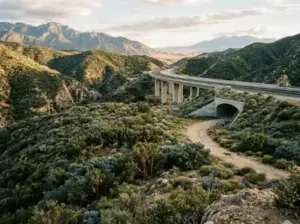 In addition to human recreation, the Glen Helen corridor acts as a crucial ecological buffer. Situated near the boundary of the San Bernardino National Forest, the park supports native Mediterranean and chaparral ecosystems, providing habitat for native bird species, small mammals, and indigenous plant life. The land swap and park upgrades incorporate sustainable design practices, including drought-tolerant landscaping, energy-efficient lighting, and stormwater management systems designed to preserve local groundwater quality.
What Lies Ahead: Future Milestones for Glen Helen
As the implementation of AB 385 progresses, San Bernardino County officials will continue conducting public outreach, site surveys, and environmental assessments to guide phase-by-phase construction. Community workshops and public hearings will allow local residents to provide direct feedback on proposed park features, trail alignments, and recreational amenities.
The transformation of Glen Helen Regional Park stands as a model for modern public land stewardship in California. By leveraging legislative flexibility, federal infrastructure support, and community-focused design, San Bernardino County is turning historical land constraints into an extraordinary opportunity—ensuring that this historic Cajon Pass sanctuary remains a vibrant center for outdoor recreation, historical learning, and community gathering for decades to come.