Beneath the pine-scented peaks of the San Bernardino Mountains and across the vast, sun-baked expanse of the Mojave Desert lies a dramatic chapter of California history—a tale forged by fortune seekers, wild miners, and hard-scrabble boomtowns that rose overnight and vanished almost as quickly.
The Dual Nature of San Bernardino’s Mining Era
When people think of the California Gold Rush, they often picture the Sierra Nevada foothills of Northern California. However, Southern California experienced its own fierce, transformation-defining mining booms. Exploring San Bernardino County mining history reveals a unique story split between two distinct landscapes: high-altitude alpine gold strikes and arid desert silver and borax Bonanzas.
During the late 19th and early 20th centuries, thousands of prospectors swarmed into San Bernardino County. The towns they built—complete with saloons, hotels, stamp mills, and bustling main streets—helped fund early regional infrastructure, expand railroad connections, and permanently shape the local culture before turning into silent ghost towns.
The Alpine Rush: Gold in Holcomb Valley & Big Bear
In May 1860, a hunter named William Frederick Holcomb was tracking a bear through the high country north of Big Bear Lake when he stumbled upon quartz veins and placer gold deposits in a secluded valley. Within weeks, news of the discovery sparked the largest gold rush in Southern California history.
1. The Rise and Lawlessness of Belleville
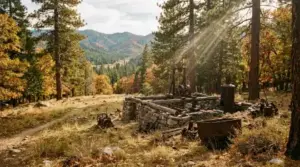
Virtually overnight, Holcomb Valley transformed into a sprawling settlement. The boomtown of Belleville quickly emerged as the epicenter of the rush, boasting a population of several thousand miners, merchants, and gamblers. For a brief moment, Belleville was so populous that it nearly wrestled the county seat away from the valley city of San Bernardino in an 1861 election, losing by a mere handful of votes.
2. Mining Hardships in the San Bernardino Mountains
Unlike low-elevation diggings, mining in Holcomb Valley meant enduring harsh sub-zero winter blizzards, limited water supplies during summer droughts, and isolation from major supply hubs. Despite these obstacles, miners extracted millions of dollars in gold through placer washing and hard-rock hydraulic operations before the deposits began to thin out near the end of the decade.
The Desert Bonanza: Calico and the Mojave Silver Rush
While the mountain gold rush cooled down, the arid Mojave Desert to the north exploded with activity. In 1881, four prospectors discovered rich silver deposits in a mountain range whose multi-colored rock faces reminded them of a calico skirt. The discovery birthed Calico—one of the richest silver strikes in the American West.
1. The Peak of Calico’s Wealth
During its peak in the mid-1880s, Calico supported over 1,200 residents, dozens of productive mines (including the famous Silver King Mine), saloons, boarding houses, a town newspaper, and a bustling red-light district. Over $20 million in silver was pulled from Calico’s red hills over a two-decade span.
2. Borax and the Collapse
When the Price of Silver plummet in the mid-1890s due to federal legislative shifts, Calico’s silver mines folded rapidly. However, the town experienced a second wind when rich deposits of Colemanite (borax ore) were discovered nearby, prolonging the settlement’s life until the early 1900s when operations migrated toward Death Valley.
To learn more about restored historic buildings, mine tours, and family event schedules, visit the official Calico Ghost Town Regional Park portal.
Lost Outposts of the Mojave: Dale, Ivanpah, and Providence
Calico was not the only desert outpost born from the lure of precious metals. Scattered across the Mojave National Preserve and surrounding desert basins are dozens of lesser-known boomtown ruins:
- Old Dale & New Dale: Located near the northern border of Joshua Tree, these twin mining camps experienced multiple waves of gold prospecting from the 1880s straight through the Great Depression era.
- Ivanpah: Established high in the New York Mountains in the 1870s, this high-desert town once served as a primary silver center before giving way to nearby rail hubs.
- Providence & Bonanza King: Nestled in the Providence Mountains, these remote camps generated substantial silver wealth before isolation and harsh weather forced their abandonment.
How the Boomtowns Built Modern San Bernardino County
The legacy of the mining boom extends far beyond rusty relics and ghost town boardwalks. The sudden influx of capital and population accelerated the development of Southern California in several lasting ways:
1. Transportation & Rail Corridors
The need to haul heavy mining machinery, stamp mills, and refined ore prompted the construction of mountain wagon roads (such as the historic Mill Creek and Cajon Pass roads) and stimulated the expansion of transcontinental rail lines like the Santa Fe and Southern Pacific through the Mojave Desert.
2. Agricultural & Commercial Synergy
Mining camps provided an eager, cash-paying market for agricultural goods grown in the lowland valleys of San Bernardino, Redlands, and Riverside. Citrus orchards, cattle ranches, and flour mills expanded rapidly to feed hungry miners in the mountains and desert.
Exploring San Bernardino’s Mining Heritage Today

Modern history enthusiasts can easily step back in time and experience San Bernardino County’s boomtown legacy firsthand through preserved parks and self-guided driving tours.
- Calico Ghost Town (Yermo): Restored in the 1950s by Walter Knott (founder of Knott’s Berry Farm), Calico is now a San Bernardino County Regional Park featuring original 1880s adobe structures, mine tours, and living history exhibits.
- Holcomb Valley Gold Discovery Trail (Big Bear): A scenic dirt driving and hiking route in the San Bernardino National Forest that leads past old mine shafts, the Hangman’s Tree, stone cabin foundations, and historic placer diggings.
- Mojave National Preserve Ghost Camps: For off-grid adventurers, rugged 4×4 trails lead to abandoned mine structures and ghost outposts preserved within national park lands.
The Enduring Magic of the Frontier
The story of San Bernardino’s boomtowns is a testament to human resilience, ambition, and the relentless pursuit of opportunity. Whether walking the boardwalks of Calico or hiking among the ponderosa pines of Holcomb Valley, exploring San Bernardino County mining history offers a captivating window into the wild, lawless, and prosperous origins of Southern California’s mountain and desert frontier.